DRAFT
Judaism 3.0 Think Tank: Topics for discussion
Info@Judaism-Zionism.com; Judaism-zionism.com/thinktank
ההצעה
תקן חדש: הראשון לציון – רב ראשי אחד שתפקידו טקסי/סמלי
כל ההיררכיה הרבנית נשארת כפי שעכשיו: הרב הראשי האשכנזי והרב הראשי הספרדי שומרים על אותם תפקידים וסטטוס ברבנות שהם ממלאים עכשיו. כל תחומי האחריות שלהם נשארים כפי שהם: הרבנות, כשרות, רבני ערים וכו. לראשון לציון אין שום תחומי אחריות על הרבנות או על המערכת. הרבנים הראשיים לא כפופים אליו
הראשון לציון הוא הרב המייצג בטקסים, פגישות עם ראשי מדינות, “נאום לאומה״ בחגים – הוא ממלא תפקיד סמלי. לו יש את הגלימה והתואר, אבל לא תפקיד אדמיניסטרטיבי
יתרונות ראשוניים
הכרה שאנחנו עם אחד – לא ספרדים ואשכנזים
התואר והגלימה מאדירים את תפקיד הרב
בידול בין התדמית השלילית בחלק מהציבור החילוני והדתי-לאומי של הרבנות והרב הראשי כ״מעלים בעיות״ – בכשרות ברישום לנישואים וכו. הראשון לציון לא סופג את התדמית השלילית – הוא ״הרב האוהב״ שלא מזוהה עם הקשיים שמעלה הרבנות. הוא לא ראש הרבנות הראשית – הוא הרב הראשי
הפילוג בעם מחד, ואהדה הגוברת למוסד הנשיא מאידך מראה את הצורך בדמויות מאחדות (דמות מחבקת/״אבא של ישראל״) – זה הראשון לציון. חזרה לתפקיד הרב באטוס ה״רומנטי״ החילוני והדתי כאחד – מישהו שאוהבים לאהוב אותו
(פוטנציאל לפיתוח התפקיד בהמשך (דיון נפרד
למה עכשיו
זה הזמן הנכון בזמן בחירת הרבנים הראשיים שקוראת רק אחת ל10 שנים.
זה ישים מבחינה פוליטית ותמסורית
לחילונים/״שמאל״: הרגשה של הורדת חשיבות ממסד הרבני – לא שני רבנים בכל טקס – ירידה ב50% של נוכחות רבנית בחיים שלנו (בטקסים וכו) – לא השתלטות החרדים על חיינו (שסביר שתהיה נושא להפגנות ותמסורים בחודשים הקרובים), כל עד הראשון לציון הוא ציוני – אפילו הרגשה ש״החזרנו לחרדים״
חרדים ספרדים: שומרים על כל המוסדות והכוח הפוליטי לפי ההסכמים הקיימים – ורק מאדירים את עניין תפקיד הרב. יותר מזאת, שניים מתוך 3 ״רבנים ראשיים״ הם ספרדים (במידה והראשון לציון ספרדי וגם אם לא – הגלימה והתואר ספרדים
(אפשרות ל״פיצוי״ על ״אובדן הגלימה״ במסגרת סבב המינויים (רב ראשי לירושלים וכו
מאפשר לגשר על המחלוקות בקואליציה: למשל שהרב הראשי הספרדי אכן יהיה חרדי ולכן ישלוט במוסדות לטובת הציבור החרדי ספרדי והציבור הכללי – באותו זמן רב ראשי ציוני מקובל גם על החרדים וזיקה לחילונים – הוא מדבר ״ישראלית״
מאחר שההחלטה והבחירה היא לא ציבורית (במועצת הרבנות ובכנסת) ניתן להסביר את עומק הדברים והחשיבות במצגות עומק – שבסופו סביר שהרוב המוחלט של מקבלי ההחלטות (שבמקרה זה הם דתיים או מסורתיים) יתמכו בזה
יחד עם זאת חשיבות ההסברה. אנחנו במציאות של sound bites ודיס-אינפורמציה ולכן בניגוד לתהליכים אחרים שנראה שזירת היח״צ הופקרה, צריך לשלוט בתהליך מראש ע״י בניית אסטרטגית יח״צ לפני תחילת התהליך כדי לזכות בתמיכה ציבורית רחבה – מימין ושמאל, דתיים וחילונים כאחד
יחד עם זאת חשיבות ההסברה. אנחנו במציאות של סיסמאות ודיסנפורמציה ולכן בניגוד לתהליכים אחרים שנראה שזירת היח״צ הופקרה, צריך לשלוט בתהליך מראש ע״י בניית אסטרטגית יח״צ לפני תחילת התהליך כדי לזכות בתמיכה ציבורית רחבה – מימין ושמאל, דתיים וחילונים כאחד
1, The proposal
- A new position: Rishon LeZion – one Chief Rabbi whose role is ceremonial.
- The Rabbinical hierarchy stays as is: The Ashkenazi Chief Rabbi and the Sepharadi Chief Rabbi keep their current roles and status as is now. All their responsibilities stay the same: The Rabbinical authority, kashrut, city Rabbis, etc. The Rishon LeZion does not have administrative responsibilities over the Rabbinical authority. The Chief Rabbis do not report to him.
- The Rishon LeZion is the Rabbi that participates in ceremonies, meets with heads of states, “address to the nation” in holidays – his role is ceremonial. He has the gown and title, but not an administrative role.
2. Initial advantages
- Recognition that we are one nation – not Sepharadi and Ashkenazi
- The title and gown elevate the role of the Rabbi
- Differentiation between the negative image prevalent in some of the secular and national-religious public of the Rabbinical Authority and Chief Rabbi as “source for difficulties” – in Kashrut, in registration to marriage, etc. The Rishon Lezion does not absorb that “negative ratings”. He is the “loving Rabbi” that is not associated with the difficulties associated with the Rabbinical Authority. He is not the “Head of the Rabbinical Authority”. He is the Chief Rabbi
- The polarization on the one hand, and popularity of the institution of the President on the other, show the need for “uniting figures” (the “hugging figure”/“the father of Israel”) – that is the Rishon LeZion. Back to the role of the Rabbi in the “romantic” ethos of both religious and secular public: Someone we love to love.
- Potential to develop the role in the future (separate discussion).
3. Why now
- This is the right timing during the election of Chief Rabbis, which happens once every 10 years.
- This is feasible both politically and publically
–To seculars/“left”: Feel of reduction of the power of the Rabbinical Authority – not two Rabbis in every ceremony – a 50% reduction of Rabbinical presence in our lives (in ceremonies, etc). Counters the perceived “Haredi takeover” of our lives (a likely theme of demonstrations and talking point in coming months), as long as the Rishon LeZion is Zionist. Perhaps a sensation of “sticking it to the Haredi”
–Sephardi Haredi: Keeping all institutions and political power according to existing arrangements. Elevate the role of the Rabbi, moreover, two of three “chief Rabbis” are Sephardi (if Rishon LeZion is Sephardi, and even if not – the gown/title).
-Can compensate for the “loss of the gown” during the upcoming round of Rabbinical nominations
3. Allow to bridge Coalition disagreements: For example, that the chief Sephardi Rabbi would indeed be Haredi and hence control the institutions for the benefit of the Sepharadi Haredi public and public as a whole – while at the same time, there is a Zionist Rishon LeZion, acceptable to the Haredi, and relatable to seculars (speaks “Israeli”)
4. Since the decision and election is not public (in the Rabbinical council, and Knesset), the depth of the issue can be explained in deep briefings – that will likely lead to the overmelmen majority of decision makers (in this case religious and traditional) to support this overwhelmingly.
5. At the same time, importance of PR. Given the soundbite and disinformation realty, unlike other processes where the PR arena was seemingly abandoned, one needs to control the process in advance by building a PR strategy to garner broad public support – from the left and right, religious and secular alike.
This is a private Draft page intended for recipients only; not for public dissemination; trial-phase: Judaism 3.0 ideas applied to public policy.
About the Judaism 3.0 Think Tank

The Judaism 3.0 Think Tank (formally the AIFL Think Tank) deliberates the ideas introduced in the book Judaism 3.0 – Judaism’s Transformation to Zionism, as well as introduces practical applications of those ideas
Discussion
History
Think Tank Members and Advisors
Events
About
DISCUSSION
Discussion 1 (ideas): Are we in Judaism 3.0?
The bulk of the book, and much of the discussions focus on exploring Gol Kalev’s thesis: Judaism is going through a historic transformation and Zionism is becoming its anchor.
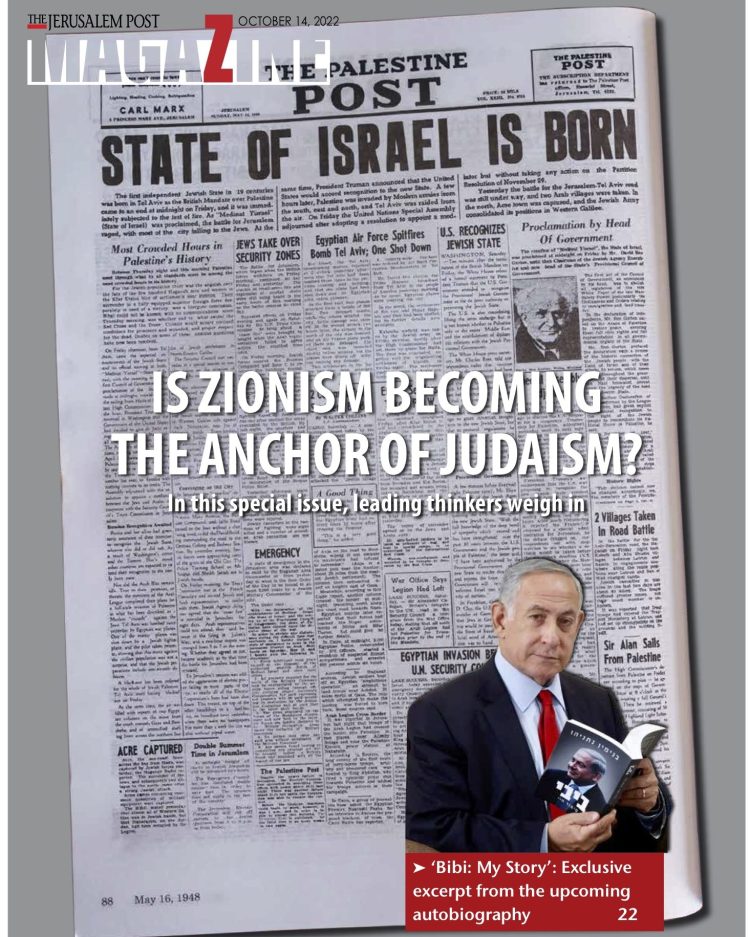
Jerusalem Post Magazine: Is Zionism becoming the anchor of Judaism?
Brazil Jewish Academy: Applying Herzl’s vision through Judaism 3.0
The Thesis: i24 TV, Daniel Gordis podcast
The Debate: Prof. Gil Troy debates Gol Kalev: Are we in Judaism 3.0?
Discussion 2 (impact): What does it mean?
Recogonizing that we are in Judaism 3.0 has far-reaching implications, both in addressing today’s existential threats to Judaism, and in unleashing once unimaginable opportunities to advance humanity through Zionism
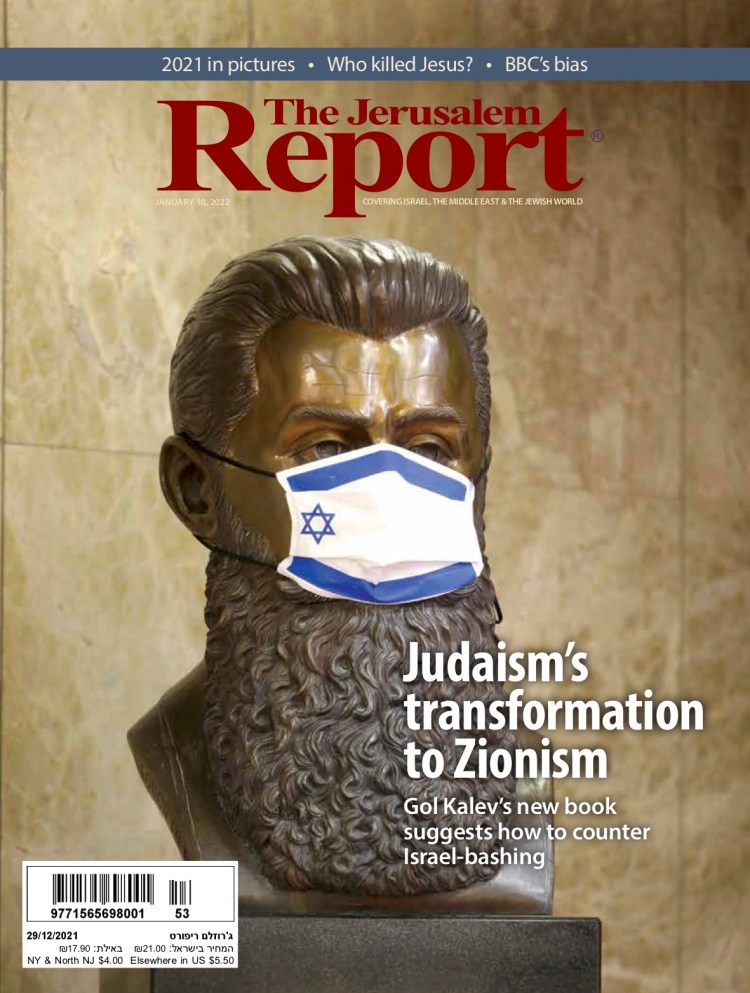
Jerusalem Report cover: A new framework to counter Israel-Bashing
Newsweek article: It’s time for Judaism 3.0
Jerusalem Post series: Applying Judaism 3.0
Jerusalem Leaders Summit: Judaism 3.0 and the threat of Israel-bashing
History: From AIFL Think Tank (2011) to Judaism 3.0 Think Tank (2023)
The AIFL Think Tank was inaugurated in 2011 under the leadership of Gol Kalev to explore the current state of Zionism and of Judaism.

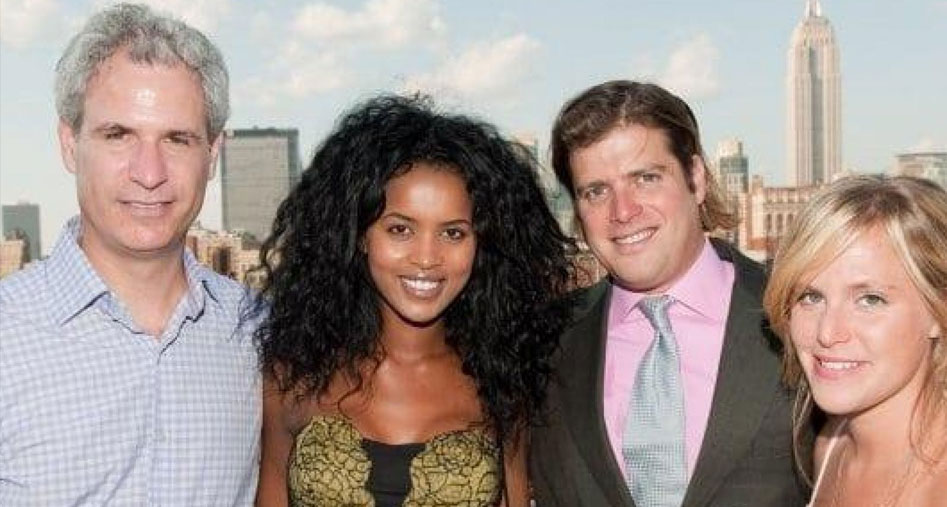
Based in New York, think tank members represent a wide variety of professional and personal backgrounds. Most not involved with Jewish causes, and many non-Jews, members brought valuable outside perspectives and fresh thinking that helped the author fine-tune the ideas of Judaism 3.0.
Once Judaism 3.0 – Judaism’s transformation to Zionism was published, the think tank, housed in the America-Israel Friendship League for 11 years, has “made Aliya” and is now the Judaism 3.0 think tank

Methodology – AIFL Think Tank
Members: Experienced professionals from various fields such as Investment Banking, Private Equity, Law, Media, Fashion, Art, Philanthropy, and Technology, think tank members come from various political and religious backgrounds.
Applying their experience and track record of success in their respective fields to issues related to Israel and the Jewish world, think tank members bring valuable outside perspective.
Opinion Leaders: Through deliberating the ideas of Judaism 3.0, think tank members become better familiar with issues relating to Israel and Zionism. They then can share their experience and knowledge with their respective circles, including those critical of Israel.
Position Papers: The think tank’s position papers authored by Gol Kalev, were deliberated by think tank members, who also served as valuable sounding-board for the author as he was writing his book
Zionism — a Successor to Rabbinical Judaism? (2012)
120 Years Later: A Look at the State of Zionism and the American Jewish Community (2014)
Book: With the book completed and published, the think tank is now expanding to broader audiences of readers and thinkers, who wish to continue the conversation and deliberate the ideas of Judaism 3.0.

EVENTS
Our Judaism 3.0 events combine interactive conversations (typically over Israeli wine), with in-depth discussions about Judaism 3.0. Some event focus on the question if Zionism is indeed becoming the anchor of Judaism, while others on the impact such broad recognition would have.
Whether a panel in a crowded auditorium, such as ones held at the Begin Center, a webinar, such as the one held by the AIFL, attended by 14,000 people, a reception, such as the ones in the gardens of the the Israel Broadcasting Association mansion, or on-stage conversation, such as the one held by the Tel Aviv International Salon along with Amb. Michael Oren, our discussions delve into the intricacies of Judaism 3.0.

ABOUT THE BOOK
About Judaism 3.0: In this landmark book, Gol Kalev demonstrates how Zionism has turned into the organizing principle of Judaism. Analyzing long-term shifts in Israel, Diaspora Judaism as well as global trends that impact the state of Judaism, Kalev shows how Zionism has become the primary conduit through which both Jews and non-Jews relate to Judaism – in the positive and negative alike. More
“A courageous, compelling, and thoughtful thesis that must be part of any serious discussion of the future of Israel and the Jewish people.”
Michael Oren, historian, former Ambassador of Israel to the United States
“This book should play an important role in the discussions about the future of world Jewry and its relations with Israel.”
Natan Sharansky, former Chairman of The Jewish Agency, former Deputy Prime Minister of Israel
Gol Kalev does not just know Theodor Herzl – he lives and breathes Theodor Herzl…This book should trigger the conversation the Jewish community needs about Israel, Zionism, Judaism and Identity. Bravo!
Professor Gil Troy, author -The Zionist Ideas
“Gol Kalev’s book has the merit to transform the very essence of the State of Israel to becoming an objective expression of Jewish identity.”
Dr. Georges Yitzhak Weisz, author – Theodor Herzl: A New Reading
“This book has sparked as much conversation as it has because the premise is so interesting, so counter-intuitive and demand of us that we think many thing anew. That is perhaps the greatest gift a book can give.”
Dr. Daniel Gordis, author – We Stand Divided
ייA remarkable ideas book that is about much more than the state of Judaism….One of the most important books about Judaism, Zionism and global trends of our times.”
Catherine Carlton, former Mayor of Menlo Park, Silicon Valley tech entrepreneur
“Gol Kalev has a deep understanding of Herzl and of processes happening in the Jewish world and non-Jewish world. He puts these two together and describes in his book how both Jews and non-Jews relate to Judaism now through Zionism – exactly as Herzl described in his vision.“
Yaakov Hagoel, Chairman – World Zionist Organization, acting Chairman – Jewish Agency
“Kalev picks up where Herzl left off……A must read for people of all religious and political backgrounds who want to get a deeper understanding of the state of Zionism and Judaism today.”
Fleur Hassan-Nahoum, Deputy Mayor of Jerusalem
Book’s website: Judaism-Zionism.com
Comments/inquiries: info@Judaism-Zionism.com
 JUDAISM 3.0